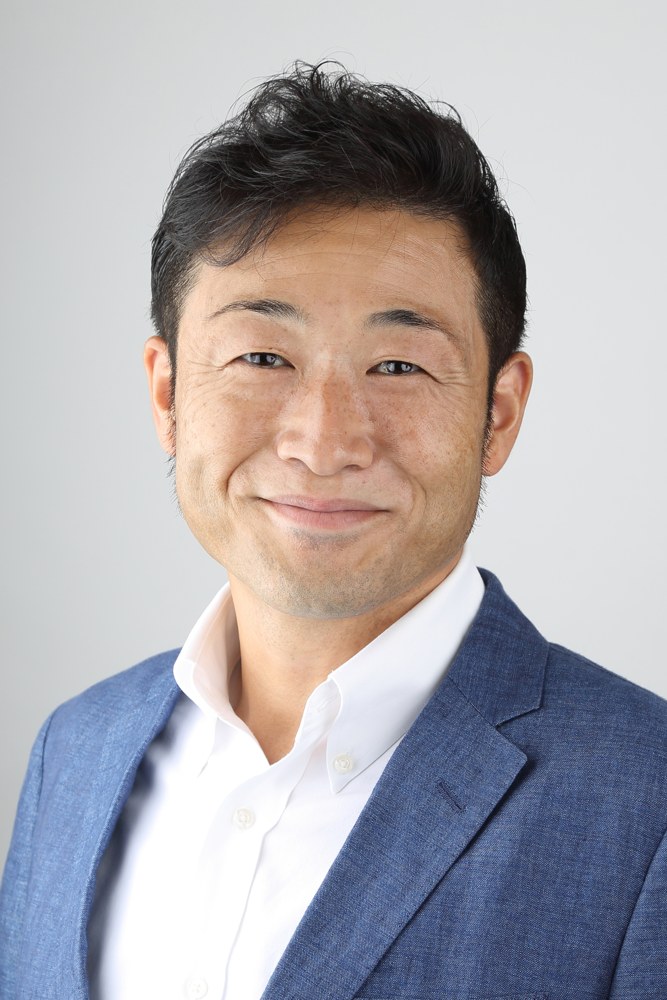
方元沂 Richard Fang

台灣影響力投資協會理事/文化大學社會科學院長暨法律系教授
方元沂 Richard Fang
中國文化大學法律學院教授兼永續創新學院院長。他於伊利諾大學香檳分校(University of Illinois Urbana-Champaign)獲得法學博士學位(J.D.),並以優異成績(Magna cum laude)畢業。曾於伊利諾州檢察官辦公室及紐約從事商業律師工作,之後返回臺灣專注於學術研究與政策創新。
其研究領域涵蓋公司法、金融監理、ESG 與影響力投資。他曾完成由台灣影響力投資協會支持的「六國社會影響債券/成果付費機制(SIBs/Pay for Success)」比較法與政策研究,深入分析監理架構如何促進社會金融的發展。作為公司法修正委員會研究人員,他負責監督企業社會責任(CSR)及社會企業相關條文。同時,他亦曾參與台灣社會創新政策、區塊鏈發展、勞動與人權揭露、永續金融規範,以及合作社法改革等政策諾詢。
在高等教育方面,他推動將聯合國永續發展目標(UN SDGs)納入課程,創立永續創新學院,並領導跨領域課程與專案。他亦主持教育部「大學社會責任(USR)計畫第三期」之「北海小英雄」專案,結合學術研究與地方創生及永續教育。
透過以上角色,他成功連結學術研究、政策與實務,並持續塑造台灣在永續金融、ESG 與影響力投資領域的治理架構。
Professor of Law and Dean of the College of Social Sciences at Chinese Culture University. He received his J.D. from the University of Illinois Urbana-Champaign, graduating magna cum laude. With professional experience at the Office of the State’s Attorney in Illinois and as a commercial lawyer in New York, he later returned to Taiwan to pursue academic research and policy innovation.
His scholarship centers on corporate law, financial regulation, ESG, and impact investment. He conducted a six-country comparative legal and policy study on Social Impact Bonds/Pay for Success, supported by the Taiwan Impact Investment Association, offering key insights into how regulatory frameworks can advance social finance. As a researcher on the Company Law Amendment Committee, he contributed to the development of CSR and social enterprise provisions. He has further served as an advisor on Taiwan’s Social Innovation Policy, blockchain development, labor and human rights disclosure, sustainable finance regulation, and cooperative law reform.
In higher education, he has championed sustainability by integrating the UN SDGs into university curricula, founding the College of Sustainability & Innovation, and leading interdisciplinary academic programs. He also directed the Ministry of Education’s Phase III University Social Responsibility (USR) initiative, “Beihai Little Heroes,” which linked academic research with local revitalization and sustainability education.
Through these efforts, he bridges legal scholarship, policy, and practice, shaping Taiwan’s governance framework for sustainable finance, ESG, and impact investment.






































_%E5%9C%8B%E5%85%A7%E8%AC%9B%E8%80%85.jpg)